What Affects the Price of Tree Removal Metairie Services?
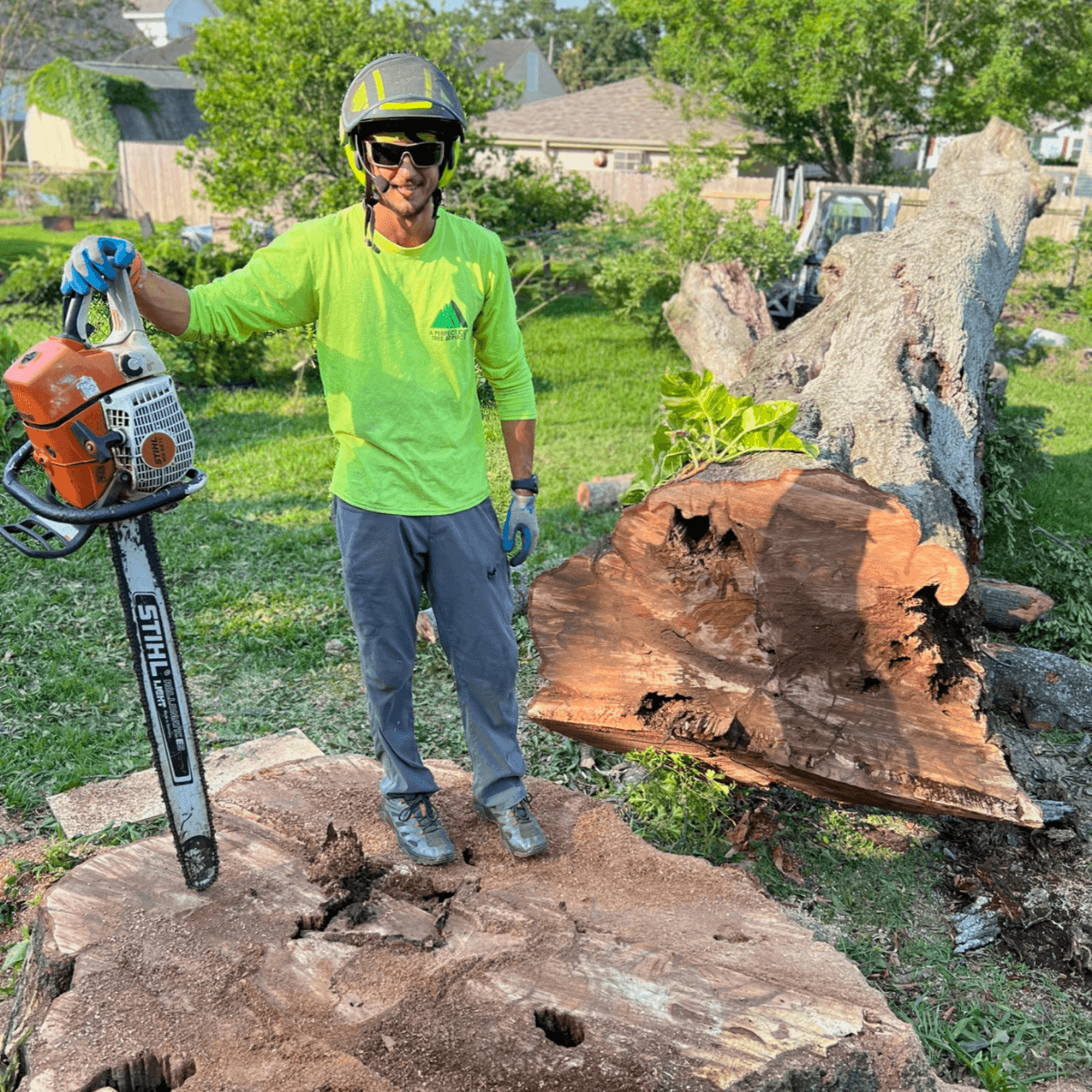


If you have ever called around for tree work in Metairie, you have probably noticed something quickly: one company gives a price that seems surprisingly low, another comes in much higher, and neither number makes much sense until someone actually walks the property. That is normal. Tree removal is one of those services where the real cost lives in the details. A tree is not just a tree. Its size, condition, location, access, risk level, and cleanup requirements all shape the final price.
Homeowners often expect a simple rate card, but that is rarely how reputable tree work is priced. In practice, the estimate reflects labor, equipment, disposal, insurance exposure, and the margin for things that can go wrong once cutting begins. In southeast Louisiana, local conditions add another layer. Metairie has tight lots, mature trees, fences close to property lines, power lines in awkward places, and soft ground that can limit equipment access after rain. Those realities matter.
For anyone trying to budget for tree removal Metairie services, it helps to understand what professionals are really looking at when they quote a job. Once you know the factors behind tree removal metairie A Perfect Cut Tree Service the number, it becomes easier to compare estimates and avoid expensive surprises.
The tree itself sets the baseline
The most obvious cost driver is the tree. Height, trunk diameter, canopy spread, wood density, and overall condition all affect how much time and equipment the crew will need.
A small ornamental tree in an open front yard may come down in a fairly direct process. A crew can set ropes, make controlled cuts, lower sections safely, and chip or haul debris without much trouble. That same crew may spend an entire day on a tall live oak leaning over a roof, especially if each limb has to be rigged down piece by piece.
Height is often the first thing people notice, but spread can matter just as much. A broad canopy reaching over a house, driveway, neighboring fence, or parked vehicles changes the removal method. Even when the trunk is not exceptionally large, the limbs may require slow, careful dismantling to prevent damage.
Diameter also matters because thicker wood takes longer to cut and handle. Large trunk sections are heavy, and sometimes too heavy to drop freely or carry manually. If the crew needs a skid steer, mini loader, crane, or extra climbers just to move the wood safely, the price climbs with it.
Then there is species. Some trees are simply more difficult than others. Dense hardwoods can be slower to process and heavier to remove. Brittle or storm-damaged trees create a different problem: they may look smaller on paper, but they are less predictable in the tree. Unstable limbs can snap under weight or shift unexpectedly during cutting, which increases risk and slows the work.
Condition can make a tree cheaper or more expensive to remove
Homeowners sometimes assume a dead tree should cost less because it is no longer alive. Sometimes that is true. If the tree has no foliage, sits in the open, and can be felled in one piece, the work may be simpler.
But dead, decayed, or storm-damaged trees often cost more, not less.
A compromised tree is harder to trust. Rotten trunks, hollow cavities, fungus at the base, split leaders, lightning scars, and unstable root systems all affect how a crew approaches it. Climbing may be unsafe. Rigging points may be unreliable. What could have been a standard removal may now require a bucket truck or crane because the climber cannot safely work from the tree itself.
One job I have seen more than once in the Metairie area goes like this: a homeowner delays removal because the tree still "looks mostly fine." Then a major limb fails in a summer storm, leaving the rest of the tree twisted over a roofline. At that point, the work moves from planned removal to hazard mitigation. The difference in cost can be significant because the crew is no longer dismantling a stable structure. They are dealing with tension, compression, and the possibility of further breakage while protecting the house below.
Where the tree stands can matter more than its size
A medium tree in a cramped backyard can cost more to remove than a much larger tree in an open lot. Location changes everything.
In Metairie, many properties have limited side-yard access. Gates may be narrow. Fences, air conditioning units, sheds, pools, patios, and overhead service lines can block direct paths for equipment. If a crew cannot get machinery close to the tree, they have to rely on more manual labor. That usually means more climbing, more rigging, more trips carrying brush, and more time loading debris by hand.
A tree close to a home adds another layer of complexity. If the trunk leans toward the structure or heavy limbs extend over the roof, the crew must remove it in smaller sections. Each piece may need to be tied off, lowered, and guided into a safe drop zone. Precision takes time, and time is one of the biggest drivers in any estimate.
The same applies to neighboring property. Trees on or near a boundary line require careful planning. If a limb overhangs the neighbor's garage or fence, the contractor has to protect not only your property but someone else's as well. That increases exposure and often changes how the crew stages the work.
Access is a major hidden variable
Homeowners often focus on the tree and overlook how a company gets to it. Contractors do not. Access can turn a straightforward job into a labor-heavy one.
A crew usually prefers enough room for trucks, chippers, and supporting equipment to work efficiently. If they can back a chip truck close to the brush pile, cleanup goes faster. If they can use a bucket truck instead of climbing, the work may be safer and quicker. If they can set a crane with stable footing and clear swing space, a large removal may actually become more controlled.
When that access is not available, costs rise. Crews may need to drag every limb from the backyard to the street by hand. They may have to protect decorative hardscape with plywood. They may need smaller machines that make more trips, or no machines at all. Even disposal time changes because loading loose brush manually is slower than feeding directly into a chipper positioned nearby.
Soft ground is another factor that property owners do not always anticipate. After heavy rain, common in this region, lawns may not support heavy equipment without rutting. A company may delay work, use lighter gear, or build in more labor because they cannot drive machinery where they normally would.
Power lines and utilities change the risk profile
Trees near electrical service, utility lines, and communication cables generally cost more to remove. The reason is simple: the margin for error narrows fast.
Not every line on a property is the same. Some are service drops to the house. Some are cable or telecom lines. Others may involve utility infrastructure that requires coordination with the provider. A reputable company will not treat all overhead lines casually. If a branch can contact energized equipment during removal, the plan has to account for that.
In some situations, line clearance specialists or utility coordination may be necessary. Even when outside coordination is not required, the tree crew may need extra rigging, spotters, or a more conservative cutting sequence. That slows production, but it protects lives and property.
This is one area where a suspiciously low bid should give you pause. Cheap prices near utility hazards often mean someone is underestimating the danger, or planning to ignore it.
Emergency work almost always costs more
Routine removals can be scheduled when crews, equipment, and weather line up. Emergency jobs happen on the tree's timeline, not yours.
When a tree falls after a storm, splits overnight, blocks a driveway, or lands on a structure, companies often reshuffle crews, work extended hours, or respond during periods of heavy demand. That urgency carries a premium. Storm response is physically harder, logistically messier, and riskier than normal production work.
Metairie homeowners see this after severe weather. Trees may be tangled with fences, resting on roofs, or hung up in another canopy. Roads can be congested. Disposal sites may be backed up. Fuel, labor, and overtime costs can all rise in that environment.
Emergency pricing is not simply a matter of inconvenience. The crew is often solving an unstable, time-sensitive hazard under less-than-ideal conditions. That deserves a different rate than a scheduled removal on a calm weekday.
Cleanup and disposal are part of the price, but not always to the same degree
Two estimates can look different because they include different levels of cleanup. One company may quote only the cut and drop. Another may include hauling, chipping, log removal, raking, and stump grinding. If you are comparing prices, this is where many misunderstandings start.
Ask what happens to the debris. Brush can be chipped on site, hauled away loose, or stacked for municipal pickup where local rules allow. Trunk wood may be removed, cut into firewood lengths, or left on site at tree removal metairie the owner's request. Sawdust, leaves, and small twigs can also vary. Some crews leave a site impressively clean. Others leave a rough but acceptable post-work condition that fits a lower price point.
Stump work is often separate. Removing a tree to grade is not the same as grinding the stump below the surface. Grinding adds labor, specialized equipment, and disposal of grindings if you do not want the mulch left behind. Roots near sidewalks, plumbing, and foundations may complicate that process further.
A useful way to compare estimates is to confirm exactly what is included:
- Is all brush hauled away or chipped on site?
- Are trunk sections removed or left for the owner?
- Is stump grinding included, optional, or excluded?
- Will the crew rake and clean the work area?
- Are permit or dump fees part of the quote if applicable?
A lower estimate can still be fair, but only if you understand what you are not getting.
Equipment needs can swing the number substantially
There is a big difference between a crew that can remove a tree with climbing gear and standard saws, and one that needs a bucket truck, loader, crane, or multiple specialized rigging systems.
Crane-assisted removals are a good example. They often cost more upfront, but not always by as much as homeowners expect, especially for large trees over structures. A crane can lift heavy sections directly away from a house and place them in a landing zone or onto a truck. That can reduce manual handling, speed up the job, and improve safety. On the other hand, cranes require access, space, setup time, and a qualified operator, so they are not a fit for every property.
Bucket trucks can also reduce climbing time, but only when the ground conditions and layout allow them to reach the tree. Tight backyards, overhead obstructions, and soft lawns often take that option off the table.
Sometimes the costlier estimate reflects a better equipment plan rather than overpricing. If one company plans to climb a compromised tree and another plans to use a crane because the structure is at risk, the higher quote may actually represent the more responsible approach.
Labor quality, licensing, and insurance affect price for good reason
A tree crew is not interchangeable labor. Skill levels vary enormously, and so does the level of business overhead behind the estimate.
A company carrying proper insurance, maintaining equipment, training climbers, and following safe work practices has real operating costs. Those costs show up in pricing. So do payroll taxes, workers' compensation where applicable, fuel, maintenance, disposal fees, and administrative time.
This matters because tree work can go wrong quickly. A dropped limb through a roof, a damaged fence, an injured worker, or an accident involving a passerby becomes very expensive very fast. The cheapest bid often looks less attractive once you factor in what happens if something goes sideways.
That does not mean the highest bid is always best. It means a price should be judged in context. If one estimate is dramatically lower than the others, ask why. Sometimes the company is newer and hungry for work. Sometimes they are more efficient. Sometimes they missed part of the scope. And sometimes they are operating without enough coverage or caution.
Timing, season, and workload can influence what you pay
Tree service pricing is not as seasonal as some home services, but demand does fluctuate. Storm season, post-storm cleanup periods, and times of heavy regional damage can push prices upward simply because qualified crews are stretched thin.
By contrast, a non-urgent removal scheduled during a slower period may be easier to price competitively. Some companies can bundle your work with nearby jobs, which reduces mobilization time and helps them offer a better rate. Flexibility on your part can help. If the tree is not dangerous right now, asking whether the job can be scheduled around an existing route may open the door to modest savings.
Weather also matters more than people think. Wet conditions can delay equipment access. High winds can postpone climbing. If a company has to make multiple trips because conditions are unsafe, that affects efficiency, even if those adjustments are not itemized separately on the estimate.
Permits, homeowner associations, and local requirements can add friction
Not every removal in Metairie requires the same level of paperwork, but local rules, protected trees, lot conditions, and neighborhood requirements can affect scheduling and cost. Some jobs involve coordination with an HOA. Others may require approvals or utility notifications depending on the tree's location and the scope of work.
Even when permit fees themselves are modest, the administrative time still counts. If a contractor has to provide certificates of insurance, site plans, or detailed work descriptions before the job can proceed, that overhead becomes part of the total picture.
This is one of those edge cases where two identical trees on two different properties can price differently. One lot may be simple. The other may involve neighborhood restrictions, parked-street limitations, or access windows that force the crew to work less efficiently.
Why estimates for the same tree can vary so much
It is common to receive estimates that differ by hundreds or even thousands of dollars. That spread is frustrating, but it usually comes from one of a few places. The companies may be picturing different removal methods. One may include stump grinding and full haul-off while another excludes both. One may budget for extra rigging because they are more risk-aware. Another may simply want the job more urgently.
Here is what professionals tend to weigh when they build a quote:
| Cost factor | Why it changes the price | |---|---| | tree size and spread | Larger trees take more labor, time, and equipment | | condition and stability | Dead, cracked, or rotten trees often need slower, safer methods | | location near structures | Piece-by-piece dismantling costs more than open-area felling | | access for equipment | Poor access increases manual labor and hauling time | | cleanup scope | Full removal of debris and stump work add to the total |
The point is not that every company should price the same. They will not. The point is that meaningful comparisons require you to line up the scope and method, not just the final dollar amount.
What homeowners can do to control cost without cutting corners
There are sensible ways to manage the expense of tree removal Metairie services, but most of them involve planning rather than bargaining a dangerous job down to the lowest number.
If the tree is not yet an emergency, get estimates before storm season when you have time to compare methods and schedules. Be clear about whether you want wood left behind, whether stump grinding matters, and whether you are comfortable with a broader cleanup versus a more polished finish. Those choices can affect the cost.
Access improvements can help too. If moving vehicles, opening gates, or trimming minor obstacles lets the crew work more directly, that may reduce labor time. It will not transform a difficult removal into a cheap one, but it can make the job more efficient.
Most importantly, act before a compromised tree turns into a crisis. A tree with visible decline, root lift, major deadwood, or a lean toward the home is often cheaper to remove while it is still stable than after a storm tears it apart.
The cheapest number is rarely the full story
Tree removal pricing can feel opaque until you look at the work through the contractor's eyes. They are not just charging to cut wood. They are charging to solve a physical problem safely, without damaging the home, the neighbor's fence, the utility line, or the crew itself.
That is why a proper estimate takes time. A good contractor studies the tree, the lean, the canopy, the targets below, the access path, the ground conditions, and the cleanup load. They price the risk, not just the trunk.
For Metairie property owners, the big variables are usually size, condition, proximity to structures, and access. Add emergency timing or utility conflicts, and the number climbs quickly. Strip the job back to a small tree in the open with easy haul-out, and the price comes down just as quickly.
Once you understand those moving parts, tree service estimates stop looking random. They start to read like what they really are: a calculation of labor, equipment, risk, and judgment. And when a company explains those details clearly, you are much more likely to end up with a fair price and a safer result.
A Perfect Cut Tree Service
4725 Shores Dr, Metairie, LA 70006
+1 504-732-0779
FAQ About tree removal metairie
What is the average cost of tree removal in my area?
There is no single price that fits every tree. Size, condition, access, nearby structures, equipment, debris hauling and stump work affect the estimate. Request a written, site-specific quote that identifies what is included.
Who will remove trees for free?
Free removal is not generally available for ordinary private-property tree work. Utilities or public agencies may handle trees within their responsibilities. Confirm eligibility directly and do not assume that an offer or assistance program covers your tree.
Can I just cut down a tree in my yard?
Check ownership, location and local requirements first. Jefferson Parish requires a permit for removal of qualifying vegetation in the public right-of-way, and additional protections may apply in designated areas. Ask the parish about your property and have a qualified tree professional assess the work.