How Tree Removal Metairie Helps Restore Storm-Damaged Landscapes

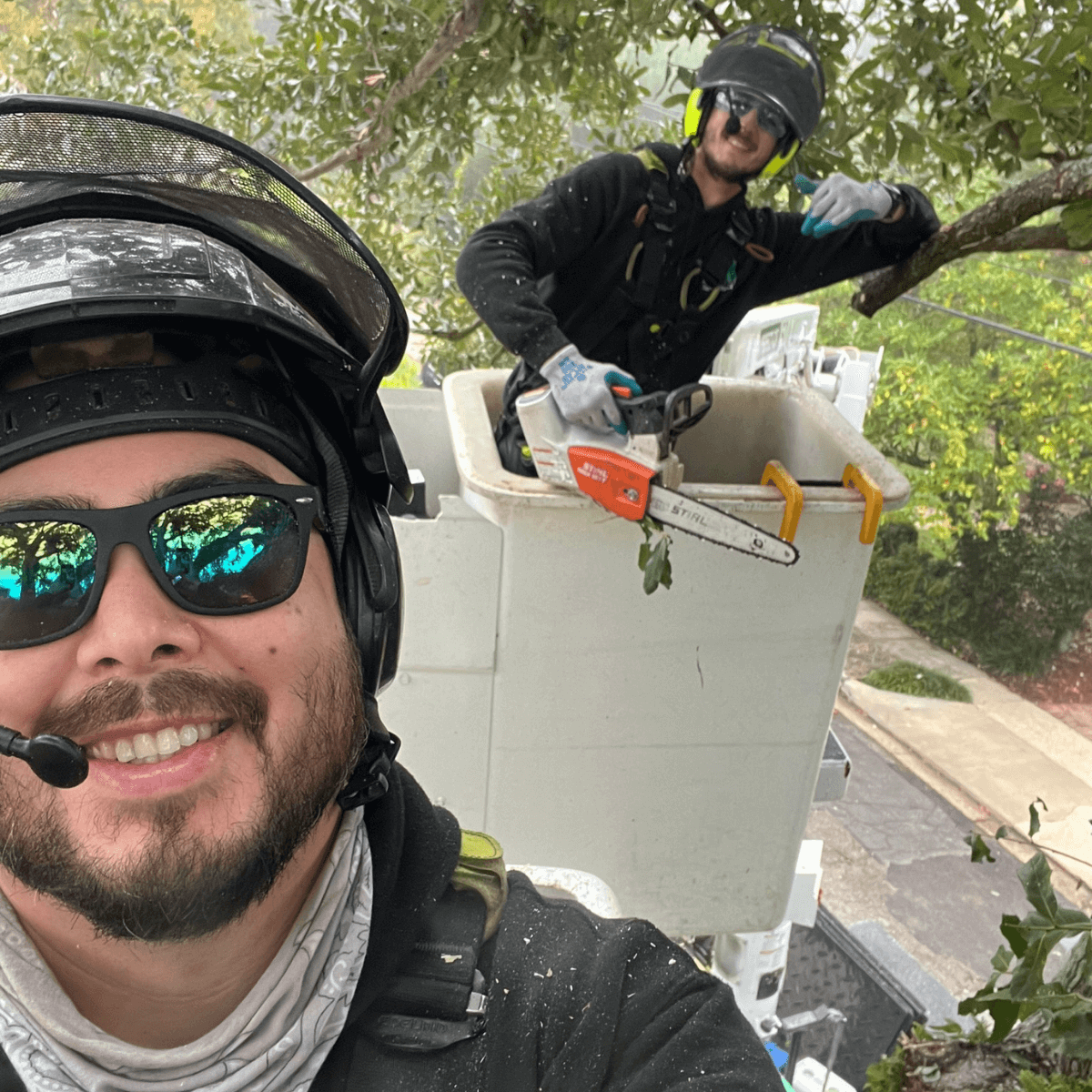
Storms reshape a landscape in a matter of minutes. A yard that looked healthy on Friday can be blocked by uprooted live oaks, split crepe myrtles, hanging pine limbs, and a web of torn roots by Saturday morning. In Metairie, where heavy rain, saturated soil, and powerful wind often arrive together, that kind of damage is not unusual. What surprises many property owners is how much of the recovery depends on one hard decision, removing the trees that cannot be saved.
People often think of tree removal as a last resort, and that instinct is understandable. Mature trees give shade, beauty, privacy, and real property value. They also shape how a neighborhood feels. But after a severe storm, keeping a compromised tree can delay recovery, increase costs, and put homes and people at risk. Done properly, tree removal Metairie services are not just about clearing debris. They are part of restoring safety, drainage, curb appeal, and the long-term health of the entire landscape.
What storm damage really does to a tree
From the ground, storm damage can look straightforward. A branch snaps, leaves fall, the trunk leans, and the cleanup begins. In practice, storm trauma is usually more complicated. Wind can twist the crown while the root plate shifts below grade. Water can pool around roots and soften the soil so badly that a tree remains standing but loses anchorage. Lightning can scar a trunk, leaving long vertical wounds that weaken structure even if the tree still has green foliage a week later.
Some of the most dangerous trees are the ones that remain upright after the storm. They give a false sense of security. I have seen trees hold together for weeks, then fail on a calm afternoon because the original storm cracked a major scaffold limb or split the trunk at a union hidden by leaves. A homeowner may assume the danger passed with the weather. In reality, the tree is waiting for gravity to finish the job.
Species matters too. In south Louisiana landscapes, broad-canopied trees such as live oaks can lose massive limbs without toppling. Pines may snap high in the stem or uproot entirely in soggy ground. Ornamental trees often suffer from poor branch angles and weak attachment points that become obvious under wind load. Recovery decisions should account for the species, age, root condition, and location of the tree, not just the visible breakage.
Why removal is sometimes the most responsible choice
There is a natural temptation to save every damaged tree. Sometimes that effort pays off. Skilled pruning, cabling, soil treatment, and irrigation management can help a valuable specimen recover. Other times, rescue work only postpones a more expensive failure.
A storm-damaged tree should be removed when its structural stability is no longer dependable, when it threatens a house, driveway, utility line, fence, or neighboring property, or when the root system has been compromised beyond recovery. A tree that leans slightly after a storm is not automatically doomed. A tree that lifted its root plate, split its trunk, and now points toward the roof is in a different category.
The practical question is not, “Can this tree stay up for a while?” It is, “Can this tree remain safe through the next storm season?” In Metairie, that distinction matters. Landscapes here are not recovering in a mild climate with predictable conditions. They are recovering in a place where one storm can be followed by another before the first cleanup is complete.
There is also a cost issue that property owners learn quickly. Removing a damaged tree early is often cheaper than waiting until it falls across a structure or hardscape. Once a tree is on a roof, entangled in power service lines, or resting across a shared property line, labor complexity goes up and coordination becomes harder. The difference can be substantial, especially when cranes, roof tarping, utility clearance, or after-hours emergency work are involved.
The hidden landscape damage caused by unstable trees
Restoring a storm-damaged landscape is not only about what fell down. It is also about what unstable trees continue to do to the site. A cracked trunk can leak decay into the heartwood. A failing root system can heave walkways and patio edges. A large tree with reduced canopy can shift how water moves across a yard, which affects turf health, planting beds, and tree removal metairie even foundation drainage.
In some cases, damaged trees become magnets for pests and disease. Fresh storm wounds attract boring insects. Torn bark exposes vulnerable tissue. Stressed trees divert resources away from defense and recovery. That does not mean every damaged tree becomes diseased, but it does mean delayed decisions can create secondary problems that spread through the landscape.
One common pattern after a major storm is that homeowners focus on obvious cleanup and leave a few “maybe” trees for later. Six months pass. The debris is gone, the lawn grows back, and then one of those trees begins dropping deadwood over a driveway or shedding bark near the base. By then, the best window for coordinated restoration may be gone. Regrading was already done. New shrubs were planted. Irrigation lines were repaired. Removing the tree at that stage means disturbing fresh work and paying twice for access and restoration.
How professional assessment changes the outcome
A trained tree crew does more than cut and haul. The best crews evaluate failure points, site access, drop zones, tension in broken limbs, soil movement, and surrounding assets before the first saw starts. That matters because storm-damaged trees behave unpredictably. Wood under tension can spring. Partially attached limbs can roll. Root balls can settle without warning.
This is especially true in tight suburban lots, which are common in Metairie. Houses sit close to fences, driveways, garages, pools, and utility corridors. There is rarely a wide-open area to drop a tree. Removal often requires sectional dismantling, rigging, controlled lowering, and careful traffic through narrow side yards. Heavy equipment may help, but only if the soil conditions allow it and the crew can protect septic components, hardscape, and drainage paths.
An experienced removal team also helps property owners sort urgency from appearance. A tree that looks rough may still be salvageable with corrective pruning. Another may look mostly intact but have a critical trunk split that makes it unsafe to leave standing even for a few days. That level of judgment comes from field experience, not guesswork.
Signs a storm-damaged tree in Metairie usually needs removal
Not every damaged tree needs to come down, but some warning signs are difficult to argue with.
- The trunk has a major vertical crack, split union, or hollowed section near the base.
- The root plate has lifted, the soil is mounded on one side, or the tree suddenly leans more than it did before the storm.
- Large scaffold limbs are broken out of the crown, leaving severe imbalance over a target area such as a house or driveway.
- The tree is in contact with utility lines or is positioned to fail into them.
- More than a modest portion of the canopy is destroyed, especially if the species does not compartmentalize damage well.
A qualified arborist or removal specialist can add nuance to those signs, but they are strong indicators that removal should be discussed promptly.
Why timing matters after a storm
After any serious weather event, crews are in high demand. That creates a practical challenge. Homeowners want immediate cleanup, but the first 24 to 72 hours are often a mix of emergency response, insurance calls, neighborhood access issues, and utility restoration. It helps to understand what can and cannot wait.
Hazard trees over structures, blocked driveways, and trees touching power service need fast attention. Less urgent removals can sometimes be scheduled once emergency conditions settle. The mistake is waiting too long to get an evaluation. If a tree is structurally compromised, every passing day introduces more risk, especially if the forecast includes additional rain or wind.
There is another timing factor that matters to landscape restoration. Early removal makes it easier to preserve what is still healthy. Crews can protect root zones of nearby trees, avoid unnecessary compaction, and coordinate stump grinding with drainage repair or replanting. Delayed removal often means more damage to turf, beds, and irrigation because the site has to be disturbed again.
The role of tree removal in broader landscape recovery
Once a dangerous tree is removed, many property owners feel like the job is done. In reality, removal is often the pivot point that allows everything else to move forward. Sunlight changes. Soil moisture changes. Traffic patterns for contractors improve. Fences can be repaired. Grade corrections become possible. New planting plans can finally make sense.
In flood-prone or poorly draining yards, removing a storm-failed tree may also expose soil problems that were hidden before. Compacted clay, rutting from saturated ground, washouts, and root voids all affect what can be replanted and where. Sometimes the best next step is not replacing the tree immediately. It may be improving drainage first, then selecting a species that fits the site more realistically.
This is where local knowledge matters. Tree removal Metairie projects should account for the area’s wet soils, hurricane exposure, neighborhood lot sizes, and the kinds of species that tend to perform well over time. Replanting a fast-growing tree in the same vulnerable location may restore shade quickly, but it can also set up the same structural problem ten years later.
What careful removal looks like on a residential property
Good removal work is organized, deliberate, and surprisingly methodical. The crew identifies hazards, plans rigging points, protects surrounding features, and decides how debris will move off site. If the tree is close to a roof or fence, it is usually dismantled in sections rather than dropped whole. If access is limited, brush may be hand-carried or lowered in manageable pieces. When the ground is soft, crews may use mats to reduce rutting.
Stump treatment depends on the restoration plan. If the area will be replanted, stump grinding is often the cleanest choice. If grade work is coming, that process may be coordinated with soil fill and root cleanup. In some yards, the stump can remain temporarily if immediate hazard removal is the top priority and access for grinding is limited.
Cleanup standards vary from one company to another, so it is worth clarifying details. Some crews remove all wood and rake the site. Others leave chips by request. Some include haul-off in the quoted price, while others break it out separately. Those are not small details during a large storm recovery when budgets are already stretched.
Questions worth asking before hiring a removal crew
A short conversation can reveal a lot about how a company works after storms. Ask direct questions, and listen for specific answers rather than vague reassurances.
- Are you insured for tree removal work, and can you provide proof?
- Will the damaged tree be climbed, rigged, or removed with equipment, and how will you protect the yard and nearby structures?
- What is included in cleanup, stump grinding, and debris haul-off?
- Have you handled storm-damaged removals in tight residential lots like mine?
- Are there any conditions that could change the estimate once work begins?
Those questions do not guarantee tree removal metairie a perfect outcome, but they reduce the odds of surprises.
Balancing removal with preservation
Property owners often worry that removing one storm-damaged tree will trigger unnecessary cutting across the whole yard. That concern is reasonable. Not every storm scar justifies removal. Some trees benefit from selective pruning, weight reduction, and monitoring instead. Others need simple deadwood cleanup and time.
The right approach is rarely all or nothing. A storm may leave one tree beyond saving, another needing corrective pruning, and a third that should be watched through the next growing season. The point is not to strip the landscape bare. It is to remove the pieces that now undermine the safety and recovery of everything around them.
I have seen properties transformed by this kind of selective decision-making. One yard had three major trees damaged in a wind event. The largest, a water oak with a split trunk over the driveway, had to go. A younger live oak nearby kept a solid trunk and root system, so it was pruned and retained. A small ornamental in the back, though ragged, recovered fully with basic care. A year later, the landscape looked stable and intentional rather than devastated. That is usually the goal, not perfection overnight, but a defensible plan that preserves value where possible and removes risk where necessary.
Insurance, documentation, and realistic expectations
Insurance questions come up after almost every major storm, and tree-related claims are not always straightforward. Coverage often depends on what the tree damaged, whether emergency access was blocked, and how policy language defines removal versus cleanup. That makes documentation useful. Clear photos of the tree, the surrounding area, and any structure impact can help support a claim or at least clarify scope.
At the same time, homeowners should keep expectations grounded. Insurance may help with tree removal under certain conditions, but it does not always pay for every part of landscape restoration. Replacing shrubs, restoring turf, and redesigning planting beds may fall outside what a policy covers. That gap is one reason good removal decisions matter. If funds are limited, they should go first toward safety and site stability.
Replanting after removal, and doing it smarter the second time
A removed tree leaves more than an empty space. It leaves a question, what belongs here now? Sometimes the answer is another tree, especially if shade, screening, or street presence matters. Sometimes the better answer is a smaller species, planted farther from structures, with stronger branch architecture and better wind tolerance. In some locations, the answer may be no tree at all, at least not until drainage or grade issues are corrected.
Replanting should consider mature size, root behavior, storm exposure, and maintenance needs. Fast growth can be attractive after losing canopy, but fast growth often means weaker wood or poor form if the tree is not trained early. A slower, sturdier species may prove wiser over twenty years than a quick fix that looks good in three.
There is also a spacing issue that gets overlooked in established neighborhoods. Many older landscapes were planted when surrounding trees were small and houses had fewer additions. Today, those same yards may have patios, sheds, widened driveways, generators, and overhead service lines. The available space has changed. Replanting should reflect current conditions, not old assumptions.
Restoration is not just cleanup, it is risk management
The phrase “storm cleanup” sounds temporary, almost cosmetic. True landscape restoration is more strategic than that. It asks what failed, why it failed, what remains vulnerable, and how the property can be made safer and more resilient before the next severe weather event.
That is where tree removal earns its place in the process. It clears hazards, prevents delayed failures, opens room for repair, and creates the conditions for healthy regrowth. For many Metairie properties, especially those with older trees in compact lots, it is the step that turns a chaotic post-storm yard into a landscape with a future.
Handled well, tree removal is not the end of something valuable. It is often the first responsible move toward rebuilding it.
A Perfect Cut Tree Service
4725 Shores Dr, Metairie, LA 70006
+1 504-732-0779
FAQ About tree removal metairie
What is the average cost of tree removal in my area?
There is no single price that fits every tree. Size, condition, access, nearby structures, equipment, debris hauling and stump work affect the estimate. Request a written, site-specific quote that identifies what is included.
Who will remove trees for free?
Free removal is not generally available for ordinary private-property tree work. Utilities or public agencies may handle trees within their responsibilities. Confirm eligibility directly and do not assume that an offer or assistance program covers your tree.
Can I just cut down a tree in my yard?
Check ownership, location and local requirements first. Jefferson Parish requires a permit for removal of qualifying vegetation in the public right-of-way, and additional protections may apply in designated areas. Ask the parish about your property and have a qualified tree professional assess the work.